EAST Certified
Animal Welfare Certification
Giving animals a better life
Taiwan’s First Animal Welfare Certification Mark
Each time you make the choice to purchase a certified product you are helping to give animals a better life. Animal health and welfare are intimately connected, so better animal welfare means peace of mind for you and the people you care about.
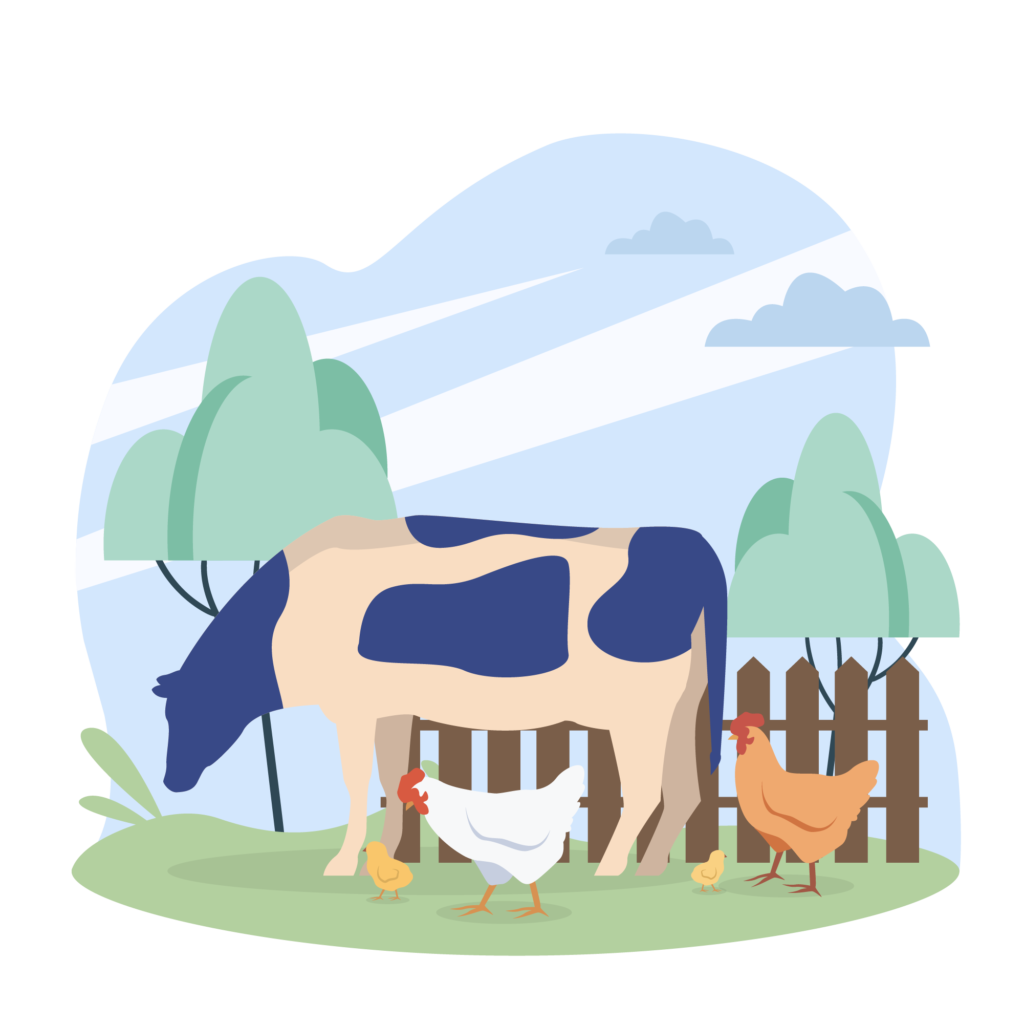
A Better Life For Animals
Every time you choose EAST Certified products you are sending a message of support to farmers that take better care of their farmed animals. Together, we can start a cycle of kindness and build a better world for animals.

Comprehensive Evidence-Based Standards
The animal welfare standards used by EAST Certified are based on international examples and localized with reference to Taiwanese industry conditions. The standards are revised regularly in line with the latest scientific research. This ensures that farms are continuously improving.

Led by a Reputable Animal Protection Non-Profit
EAST consults with local and international experts, industry operators, farmers and government representatives to develop impartial certification standards and strict auditing procedures.
The story behind the mark
Why EAST Certified?
Impacting Countless Animals
Taiwan raises hundreds of millions of farmed animals each year to produce meat, eggs and dairy products – but only a tiny proportion of these animals are raised on farms that meet their welfare needs.
Living in Pain and Fear
Spurring Industry Change
We encourage farmers that want to improve the welfare of their farmed animals to apply for EAST Certified certification and join us in building a more humane farming system in Taiwan.
Empowering Consumers
Every time you open your wallet, you are casting a vote for how animals are treated. You can give animals a better life and safeguard your health by supporting products with the EAST Certified mark.
What is animal welfare?
Industrial agriculture views animals as profit-making commodities instead of living creatures with individual lives and interests. Animals are sentient beings able to feel pain and joy, and each animal has their own physical, environmental, behavioral, psychological, and social needs. The Five Freedoms established in the 1960s describe the freedoms to fulfil these needs.
Zoonotic diseases outbreaks like the COVID-19 pandemic, growing antibiotic resistance, food safety crises and other issues show that animal welfare is critical for both humans and animals.

Freedom from hunger and thirst

Freedom from fear and distress
Freedom from physical discomfort

Freedom from pain, injury and disease
Freedom to express normal behavior
What the mark means
A better life for animals
Standards for Dairy Cattle
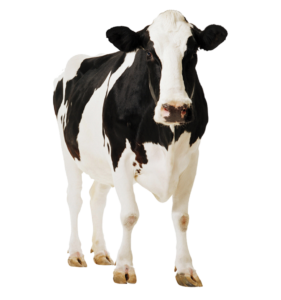
Improving the Lives of Dairy Cattle in Taiwan
These 11 indicators mean a better life for dairy cattle in Taiwan
Living Environment and Space
Dairy cattle establish complex social relationships and create hierarchies according to age, body size, and body weight. Cattle also lick each other to demonstrate their bonds and affiliation with the herd.
When space and food resources are sufficient, cattle can live in a herd peacefully without competition. Each animal must have at least eight square meters of space to ensure they can find a comfortable space of their own.
The barn must be kept dry to avoid slips and provide ample space to navigate, allowing the animals to move freely without impediment. In addition, when pasture grazing is not possible, providing nourishment (for example, salt bricks), toys (for example, cattle brushes) or space for the animals to play and exercise are the secrets to a happier life.
Food and Water
Can you imagine being crammed together with a group of people and needing to fight over food? Ensuring that all cattle have enough space to eat without disturbance and clean, unlimited drinking water is a must for dairy farms, and a fundamental animal welfare requirement.
Each animal must have a minimum of 75 centimeters of feeding space, in addition to at least one meter of drinking space for every 20 cattle.
Relief From Heat Stress
The black and white dairy cattle you are familiar with, known as Holstein cattle, hail from temperate European climates. They are most comfortable in temperatures of 4.5-15°C. When temperatures exceed 22°C in humid conditions the cattle are at risk of feeling unwell and suffering heat stress. When this occurs the animals will continuously pant, drool, and experience reduced appetite, resulting in malnourishment and eventually illness.
A well-managed farm that adheres to animal welfare standards should monitor the temperature and humidity of the barn where cattle are kept and use cooling systems (such as fans, water mist sprays, sunshades, etc.) to ensure that dairy cattle living in Taiwan’s subtropical climate are protected from heat stress.
A Comfortable Space to Lie Down
Mother cows – weighing up to 700 kilograms – need to consume large amounts of energy every day to produce milk. They need to lie down for an average of about 14 hours a day to relax their limbs and increase blood circulation to the breasts.
Dairy cattle love to be clean. They don't like lying in their excrement and need soft, comfortable resting places, such as grass. Farms that care about animal welfare will provide each animal with soft, clean bedding so that the animals do not have to sleep on hard floors or manure piles. There must be more cow beds than cattle so that each animal can choose where to rest according to the hierarchy of the herd, social relationships and other factors.
Cow beds can also protect joints from injury as a result of excessive friction.
Cattle Management and Care Records
Dairy cattle management is a complicated science. Keepers should monitor and record the animals’ details from birth through to puberty, and from pregnancy to childbirth. Records of medical treatment, feed allocations, disease prevention measures, establishment of SOPs and other records all offer important proof that the cattle have been properly cared for.
Disease Prevention and Treatment
The three most common diseases experienced by dairy cattle are hoof disease, mastitis, and reproductive and metabolic diseases.
Hoof disease: Hooves bear the weight of the animal. If they are not trimmed regularly they are prone to inflammation and infection. This can cause foot pain and difficulty walking. Farms must ensure hooves are trimmed regularly, keep the barn dry, and give immediate treatment to cattle that have already developed hoof disease. To reduce the risk of hoof injury, flooring materials must not be too hard or slippery and pathways shouldn’t have any sharp U-turns.
Mastitis: Dairy cattle have four udders. The teats of the udder remain open after milking, and without proper care they are vulnerable to bacterial infection. This can lead to inflammation of the udder, causing pain and fever. Hygienic milking procedures and gentle milkers are essential for cattle to be milked in safety and peace.
Reproductive and metabolic diseases: Dairy cattle are usually kept in a state of simultaneous lactation and pregnancy, requiring the body to release large amounts of nutrients. The appetite of mother cattle can be substantially affected as the fetus grows and presses on her internal organs. This requires professional nutritional care.
Breeding and Management of Pregnant Cattle
Like humans, it is possible to predict when cattle are due to give birth. Expecting cattle should be moved to sanitary delivery rooms in advance so that they can give birth safely and without disturbance.
In normal circumstances, cattle can give birth naturally and farmers should not intervene unless the animal is having difficulties. Human intervention during childbirth may cause unnecessary harm to the mother.
The delivery room must provide at least 11.9 square meters of space per animal.
Calf Management
New-born calves have extremely weak immune systems. The antibodies contained in the mother cow’s colostrum are the panacea for the calf needs to fight against disease. Calves need to drink good quality colostrum within 4 to 6 hours after birth to replenish antibodies and boost immunity.
Calves are able to stand and move about within a few minutes after birth, but they often fall down. Therefore, the calf stalls must provide at least 1.8 square meters of space and be padded to protect the calves from injuring themselves.
Calves are usually segregated without their mother's company or breastmilk. This can deprive them of a sense of security and mean they are unable to fulfill their desire to suck their mothers’ teats. Therefore, farms must provide toys for exploration and sucking.
Small horns will appear on the calves' heads at about one week of age. Calves are typically dehorned to prevent fighting and injury. Dehorning should be carried out using anesthesia and pain relief to reduce pain for the animal.
Treatment of Sick and Injured Cattle
If an animal is found to be sick or injured they should be carefully moved to a special treatment area. This is to ensure that the animal has access to medical assistance and can fully recuperate. The animal should never be left to fend for itself.
Professionalism of Keepers
Keepers responsible for dairy cattle must engage in training to improve their professional knowledge. Even more importantly, they must empathize with the difficulties of milk production, be aware of animal welfare issues that can arise in farm environments, and treat cattle with the appropriate attitude and expertise. Keepers must also be able to judge the health, behaviour, and stress levels of cattle, and must not engage in any kind of abusive behavior.
Biosecurity Measures
Farms raise large numbers of animals and must implement rigorous disease prevention plans to avoid the import of external pathogens and the spread of disease. These plans should include vaccination, procedures to repel mosquitos, procedures to prevent contamination from visiting persons or vehicles, and regular disinfection.
Living Environment and Space
Food and Water
Relief From Heat Stress
A Comfortable Space to Lie Down
Comprehensive Records
Disease Prevention and Treatment
Breeding and Management of Pregnant Cattle
Calf Management
Treatment of Sick and Injured Cattle
Professionalism of Keepers
Biosecurity Measures
Standards for Laying Hens
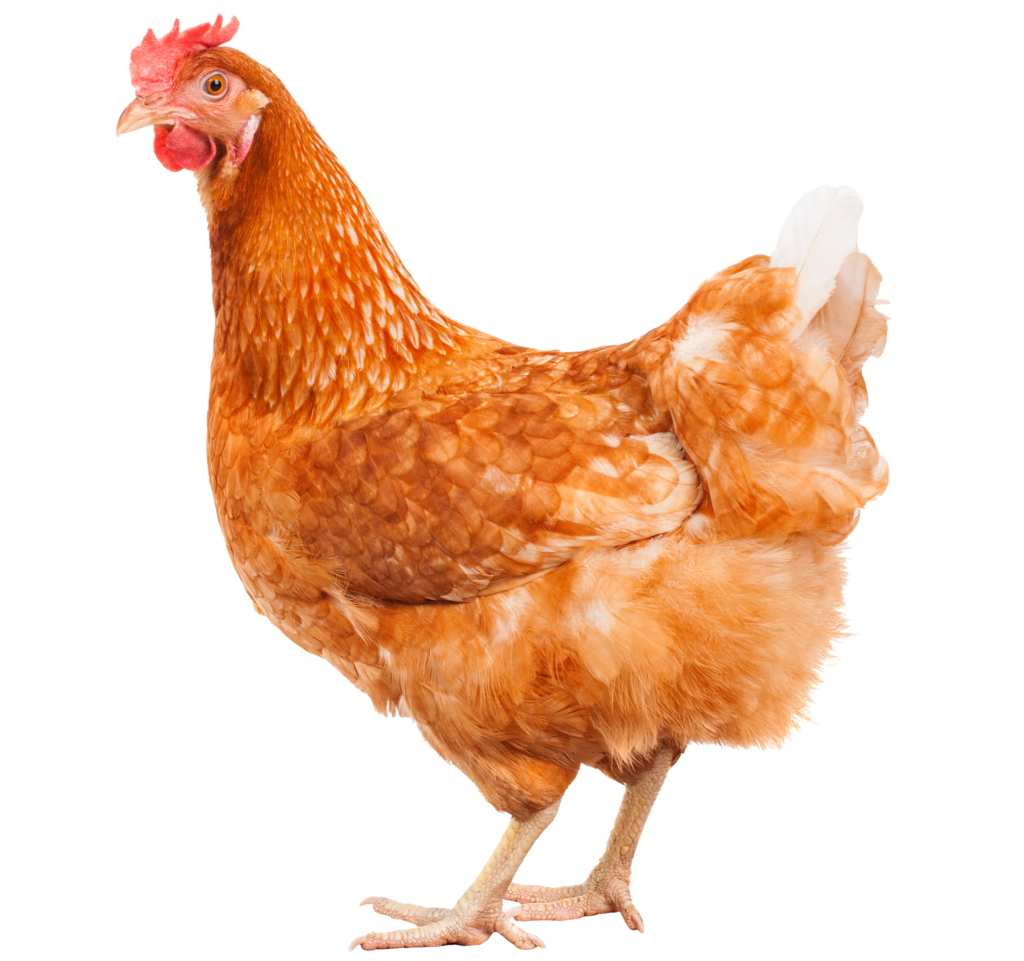
Healthy hens, healthy eggs 
The five principles for better hen welfare. Out with the bad eggs, in with the good eggs!
Cage-Free Farming
Countless scientific studies have shown that only barn and free range housing systems are able to meet hens’ animal welfare needs. In barn systems, hens live in indoor hen houses. In free range systems, hens have access to indoor hen houses in addition to an outdoor range. These two systems both allow hens to move around freely.
Hens on farms are constantly surrounded by other hens. In such environments, bullying can occur. Farms should raise a maximum of nine hens per square meter, allowing hens that don’t get along with each other to keep their distance.
Nesting Instincts
Hens are at their most vulnerable during laying. Hens have an innate desire and need to nest, regardless of what environment they are kept in. Laying eggs is an energy-draining process. Hens treasure their eggs whether they are fertilized or not, and will always try to find a clean, private place to lay their eggs in.
It is important for farms to provide nest boxes where hens can lay their eggs at ease.
Foraging and Dustbathing
Hens are curious by nature. Wild chickens spend more than half of their lives pecking and foraging. Farms should provide litter and toys to meet these needs and give the hens a richer life.
Hens also need litter or sand to dustbathe. Hens will dig a hole to lie in, sprinkle dust over their feathers and skin, then shake off the dust to remove any pests or unwanted matter. Dustbathing is an important process for hens to maintain their health, without the need for fipronil or other insecticides.
A Safe Place to Perch
In the wild, hens are prey animals so they like to perch in high places with a good view of their surroundings to feel safe. Hens need at least 15 centimeters of perch space to get a good night’s sleep.
Professional Management
When a flock’s egg production declines, most caged farms will cut off food and water supplies to induce forced moulting. This causes hens to enter their final egg-laying cycle, draining them of every last ounce of energy.
Farms with EAST Certified certification respect hens’ natural instincts and are not permitted to conduct forced moulting. Certified farms provide professional care and record and monitor the health of their flock on a daily basis.
Cage-Free Farming
Nesting Instincts
Foraging and Dustbathing
A Safe Place to Perch
Professional Management
Welfare Standards for Pigs
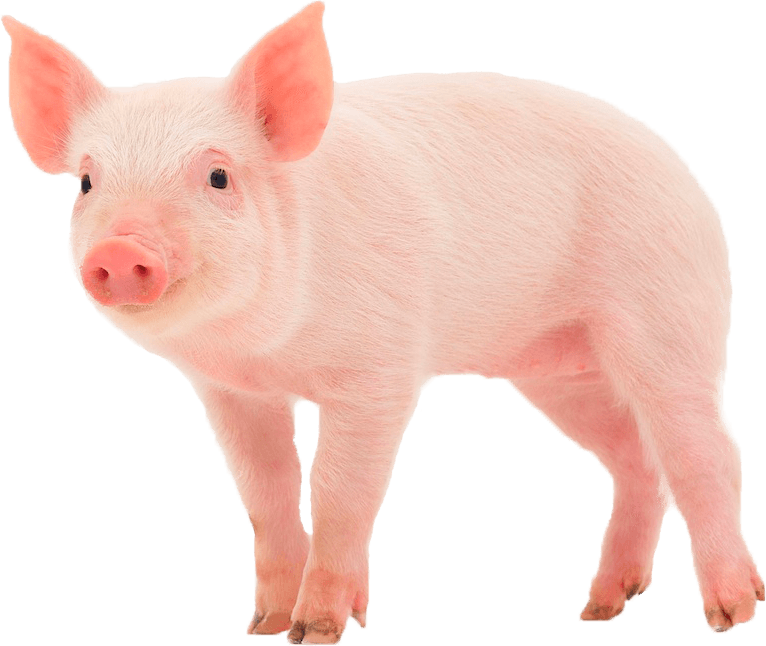
Improving the Welfare of Pigs in Taiwan
The seven indicators for improving the wellbeing of pigs
Live Auction Not Permitted
Currently, more than 85% of Taiwan's pigs must endure the cruel live auction process, involving unnecessary transportation, food and water deprivation, violent prodding, and inability to rest in the lairage. Pigs are forced to walk through narrow raceways to allow bidders to select the pigs they wish to purchase, causing unnecessary pain and distress.
Live auctions seriously compromise animal welfare and negatively impact meat quality and food safety. In order to improve conditions for pigs in Taiwan, farmers seeking EAST Certified certification are required to send the pigs directly to the slaughterhouse to prevent pigs from being subjected to the auction and sales process.
Food and Water
Pigs are intelligent and adaptable beings.
Sufficient space must be provided for feeding and drinking to prevent pigs from competing for food and water, and ensure weaker pigs are able to access food and water.
Living Environment and Space
Pigs are comfortable in small, stable social groups of about six individuals. They exhibit complex social behaviors, prefer clean living environments, and can distinguish between eating, sleeping and defecation areas by themselves.
If the pig pen is small or monotonous, the groups are likely to develop aggressive behaviors and pigs are unable to establish separate areas for rest and defecation. On most farms, sows are confined in cramped, solitary stalls so small they can only move forwards or backwards and lie down – unable to even turn around.
EAST Certified requires pigs to be provided with sufficient space, comfortable living conditions, and receive regular physical inspections to check for injuries or lameness.
On-Farm Facilities
In addition to clean feed and drinking water, it is important to maintain a calm, comfortable environment.
A good farm must provide sufficient lighting, a comfortable temperature, clean air and a calm environment; if the temperature and humidity are too high, it will cause the pigs to pant and have difficulty eating, and in severe cases, may suffer irreparable harm.
Pigs naturally love to explore. In order to prevent the pigs from biting each other's tails or ears out of boredom, farms must provide toys or enrichments – such as chains that can be pulled – instead of pulling the tails of their companions.
Husbandry Management Records
Farms must carefully monitor the status of each pig. Good husbandry management includes detailed records from birth to adulthood, from pregnancy to farrowing. The records must include disease prevention and treatment, breeding status, and many other details which can determine whether the farm is taking good care of the pigs.
Professionalism of Keepers
Management and keepers’ professional abilities and attitudes towards pigs are key factors affecting animal welfare. Keepers and pigs must establish a stable and trusting relationship. When the keeper enters the pig house, the pigs should actively approach rather than be afraid. At the same time, the keeper must have the ability to assess the welfare, behavioral and health status of the pigs, and continually address their welfare needs.
Unnecessary Mutilations and Pain Management
In Taiwan, piglets are typically subjected to painful mutilations such as castration, tail docking, teeth clipping, and ear cropping after birth. Pigs are not given anaesthesia or analgesia, and the procedures are often performed by untrained staff. The need for these mutilations can be negated by adapting husbandry management practices.
We encourage farms to reduce painful mutilations. If mutilations are necessary, pain management techniques must be employed including proper maintenance of operating tools, the use of local anaesthesia and anti-inflammatory analgesics, and adequate employee training.
- Under EAST Certified standards, the following principles must be obeyed: • Castration should be performed within 7-10 days of birth, and may not be performed after 10 days of age.
- Ear tags should be used in place of ear cropping. If cropping is used, it must occur within 3 days of birth.
- Teeth may only be ground, not clipped, with caution taken not to grind any parts other than the teeth.
- Tail docking can only be performed within 3 days of age, and no more than half of the tail can be docked
Live Auction Not Permitted
Food and Water
A Comfortable Living Space
Good Quality of Life
Comprehensive Records
Professionalism of Keepers
Reduce Unnecessary Suffering
The standards that certified farms must adhere to will be strengthened year-by-year.
Certified farms will also need to set improvement goals, ensuring ongoing improvements to animal welfare.
The standards that certified farms must adhere to will be strengthened year by year. Certified farms will also need to set improvement goals, ensuring ongoing animal welfare improvements.
已取得驗證的牧場
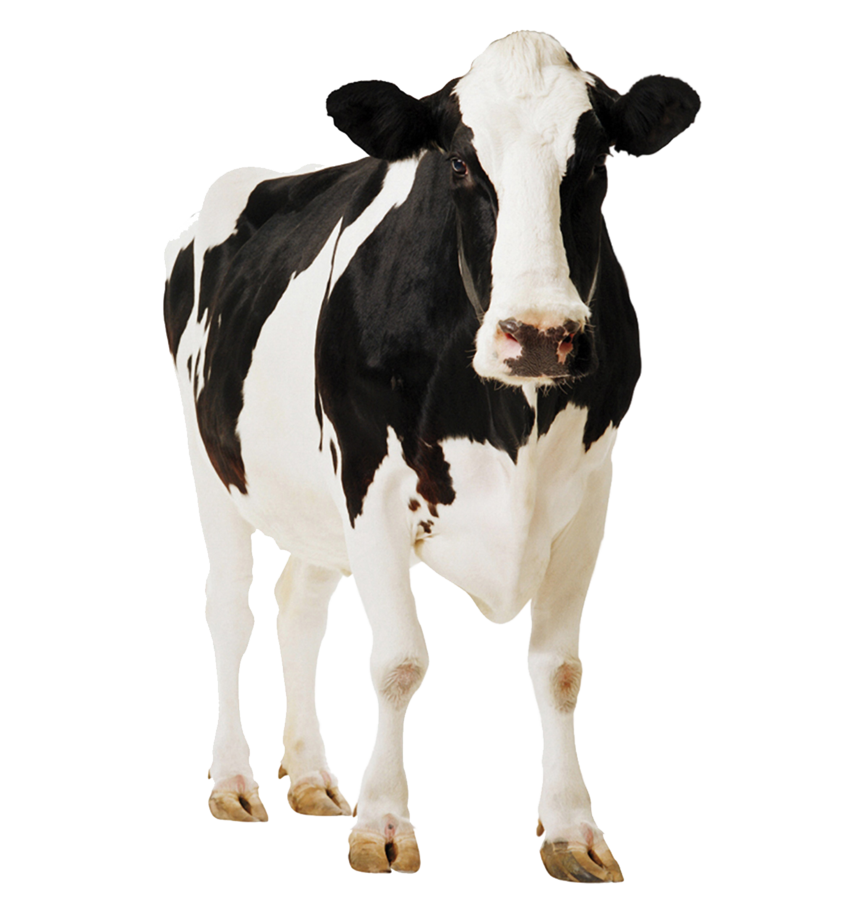
乳牛場
乳牛場動物福利稽核依據:「台灣乳牛場動物福利評分作業辦法」,依本會標章評分原則,總得分70 分以上,即符合基本動物福利,取得動物福利稽核證書。
蛋雞場(友善雞蛋聯盟)
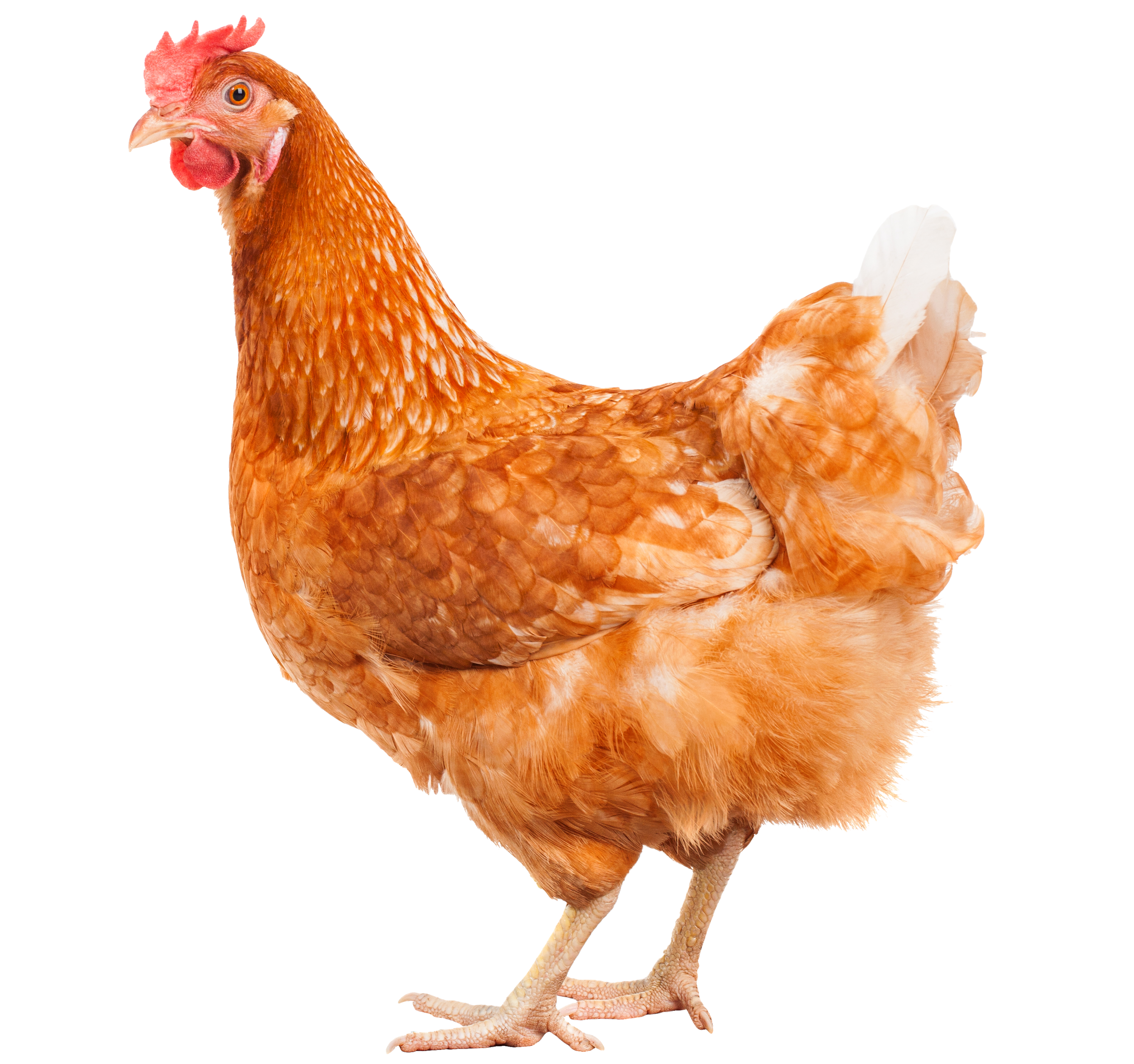
蛋雞場動物福利稽核依據:「蛋雞動物福利標準」,本會僅驗證非籠飼牧場-平飼與放牧,通過稽核者,即可取得動物福利稽核證書。


Who we are
It’s nice to meet you!
We are the Environment & Animal Society of Taiwan, commonly known as EAST.
EAST is an animal protection non-profit established in 1999. We are the first animal protection organization in Taiwan with a holistic approach to animal welfare issues, and seek to find solutions to overlooked animal welfare problems.
We have worked to improve the plight of animals in Taiwan for more than 20 years and are committed to addressing the roots of problems affecting animals. In that time, we have successfully advocated for the introduction of watershed policies and legislation including the Animal Protection Act, the Wildlife Conservation Act, and regulations governing humane farming, transport and slaughter, while raising awareness of the plight of animals in Taiwan.
We have advocated for farmed animals since our inception when we investigated farms and slaughterhouses to expose egregious animal suffering. Since 2008, we have worked with the public, producers, food companies, and policymakers to improve conditions for farmed animals. EAST Certified is a continuation of this work.
Change begins with gratitude
We encourage you to reduce your animal product consumption and be mindful to avoid overconsumption and waste. If you do buy animal products, choose products bearing the EAST Certified certification mark. Together, we can create a kinder world for animals.


